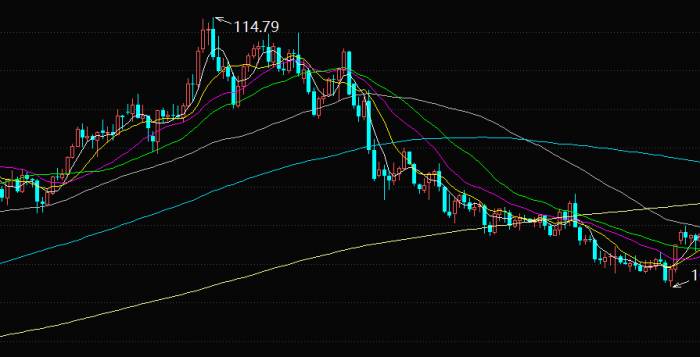
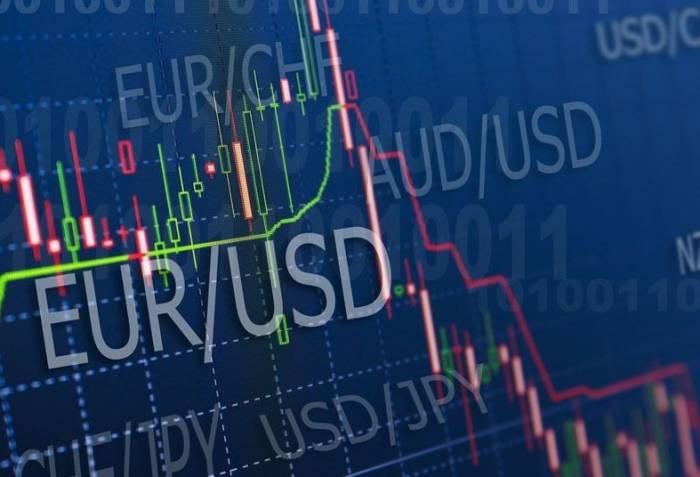
Saudi Arabia and other OPEC oil-producing countries unexpectedly further reduced production until the end of 2023, which directly led to a surge in international oil prices on April 3rd. Speaking of the charts, the announcement of production cuts at this juncture must have been made by someone who understands candlestick charts. The news stimulus allowed international oil prices to break out of a nearly 10-month downtrend and return to an upward channel!
From a global macro perspective, the decline in international oil prices is in line with market laws. The demand from Western developed economies led by the United States is sluggish, and bank failures are frequent, with clear signs of recession. In addition, the United States and the European Union have set a price cap on Russian oil exports, which undoubtedly has pushed down oil prices.
Just as the global crude oil demand countries were eagerly watching the oil prices, hoping for a quick decline, the international oil prices made a surprising turnaround, which is indeed infuriating.
As always, international oil prices are never determined by the buyers, nor are they a barometer of the global economy. The worse the economy gets, the higher the oil prices soar. This is an important characteristic of petrodollars. From international oil prices, we can even infer the timeline for the end of the Ukraine crisis and the pace of the Federal Reserve's interest rate hikes. Warren Buffett, the "Oracle of Omaha," is well-versed in this.
UBS couldn't help but speak up. It recently released a research report stating that due to the fundamental support for tightening oil market supplies, it is expected that international oil prices will probe $100 per barrel and $105 per barrel in June and September, respectively, and then remain relatively stable.
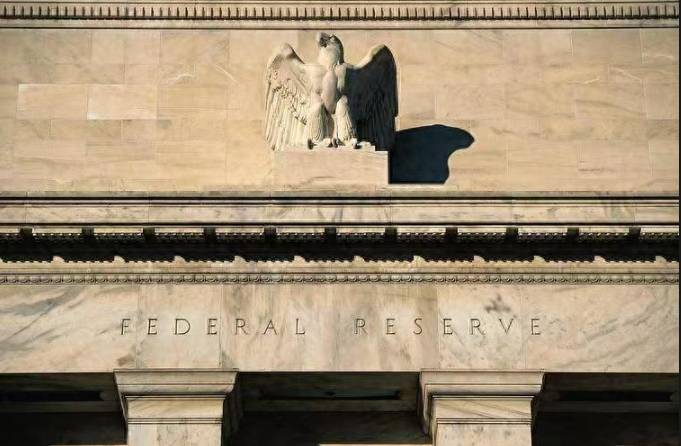
The timeline in June is worth paying attention to, as May is likely to be the last interest rate hike by the Federal Reserve in this cycle, followed by June, when the United States is once again forced to raise the debt ceiling.
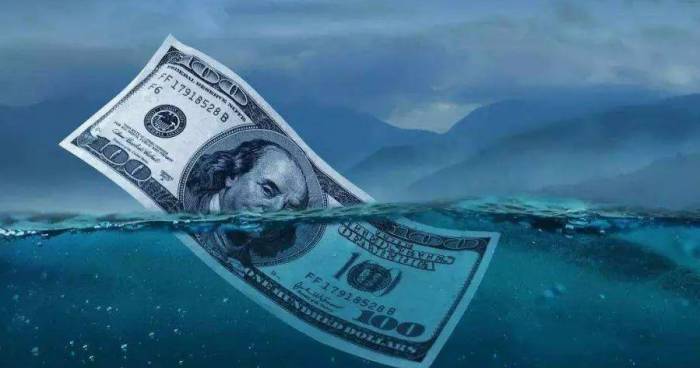
Purely from a market behavior perspective, the US dollar is likely to weaken again in June. Of course, the strength or weakness of the US dollar index is often not just market behavior; wars, Federal Reserve interest rate hikes, localized frictions, and global economic turmoil can all influence the direction of the dollar.
After OPEC announced the production cuts, many observers were watching the United States' attitude, but there was no noticeable change. Indeed, at this juncture, the United States is more urgently in need of rising oil prices.
Looking at the trend of the US dollar index, the United States is indeed a bit stretched. It can be said that since March 22nd, when the Federal Reserve announced an interest rate hike, the US dollar index did not strengthen but instead weakened again, which is somewhat unusual.After all, the United States has successfully curbed the continuous bankruptcy trend in the banking industry, and the market has begun to return to calm. The weakening of the US dollar also means that the purchasing power of the United States is declining, which is certainly not conducive to curbing inflation in the United States.
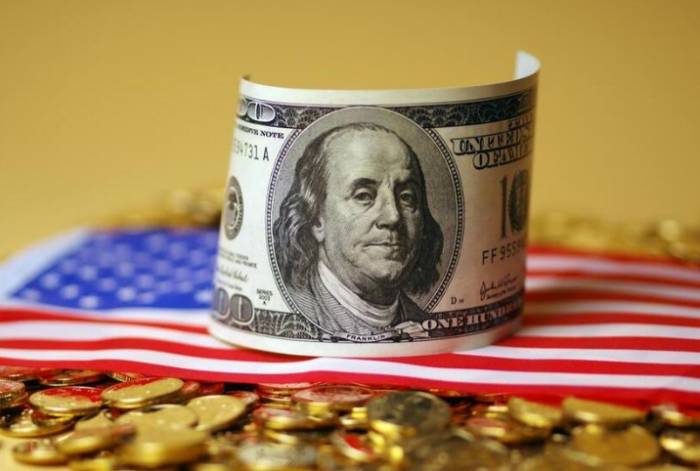
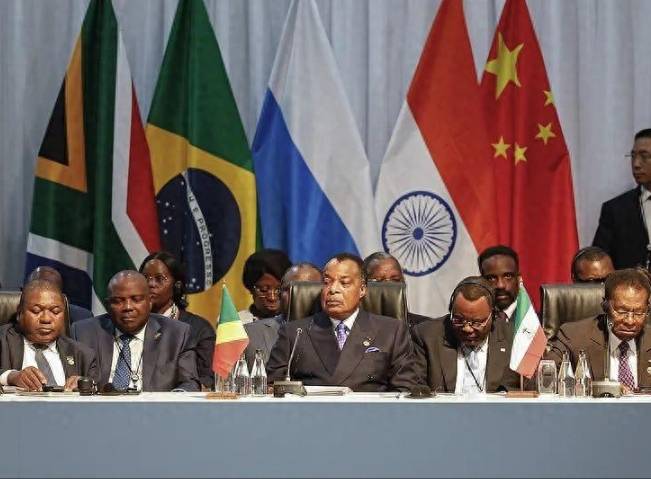
The weakening of the US dollar since late March is, of course, related to another reason. The global "de-dollarization" wave has risen again, and regional currency settlement is deeply popular. The dollar hegemony is in a crisis.
At this critical juncture, the rise in international oil prices is obviously beneficial to the United States. The characteristics of "petro-dollars" mean that rising oil prices are beneficial to offset the downward demand for the dollar.
More importantly, the status of dollar hegemony will be questioned by the world again when the debt ceiling is raised in June. In other words, Americans need to let international oil prices rise at this time.
Looking at the duration of OPEC's production cuts, it means that the possibility of the Ukraine crisis ending before the end of 2023 has been greatly weakened. Looking at the pace of interest rate hikes by the Federal Reserve, it may only shift to interest rate cuts in 2024. In other words, the Russia-Ukraine conflict may end at this time, and international oil prices may truly fall.
A fact that the world needs to recognize is that the underlying logic supporting the Russia-Ukraine conflict is high oil prices. Some people won't get up early without benefits, and the global oil-consuming countries are paying for this conflict. We are also payers, but Europe is the most injured.
Another indicator is that Warren Buffett, the "Oracle of Omaha," has repeatedly firmly increased his position in Occidental Petroleum at a high level. The underlying logic is that oil prices are difficult to fall in the short term. This time, he obviously made the right bet again.
This distorted economic phenomenon is telling us that only when the dollar hegemony ends will the people of the world not be harvested again when they encounter an economic crisis.














Leave a Comment